
SOLAR-POWERED HOME EV CHARGING
WINTER SPECIAL AT DISCOUNTED PRICES

 12 InstallmentsCredit Card
 10%Winter Discount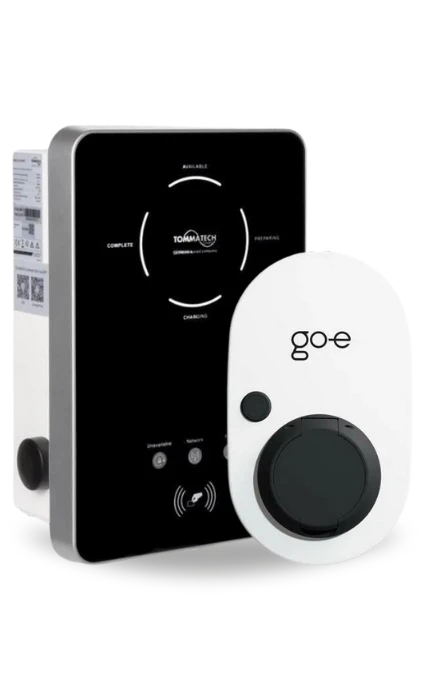
Why Should You Switch to Solar Energy?
Saves You Money
Delivers savings of up to 100% on your bill
Reliable
The sun's limitless supply protects you from outages
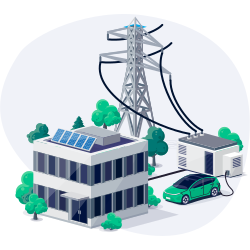
Income Opportunity
Sells surplus generation to the grid and earns you income
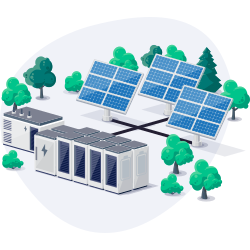
Clean Future
The most environmentally responsible way to generate electricity
Customer Reviews
Take Your Place Among the Winners
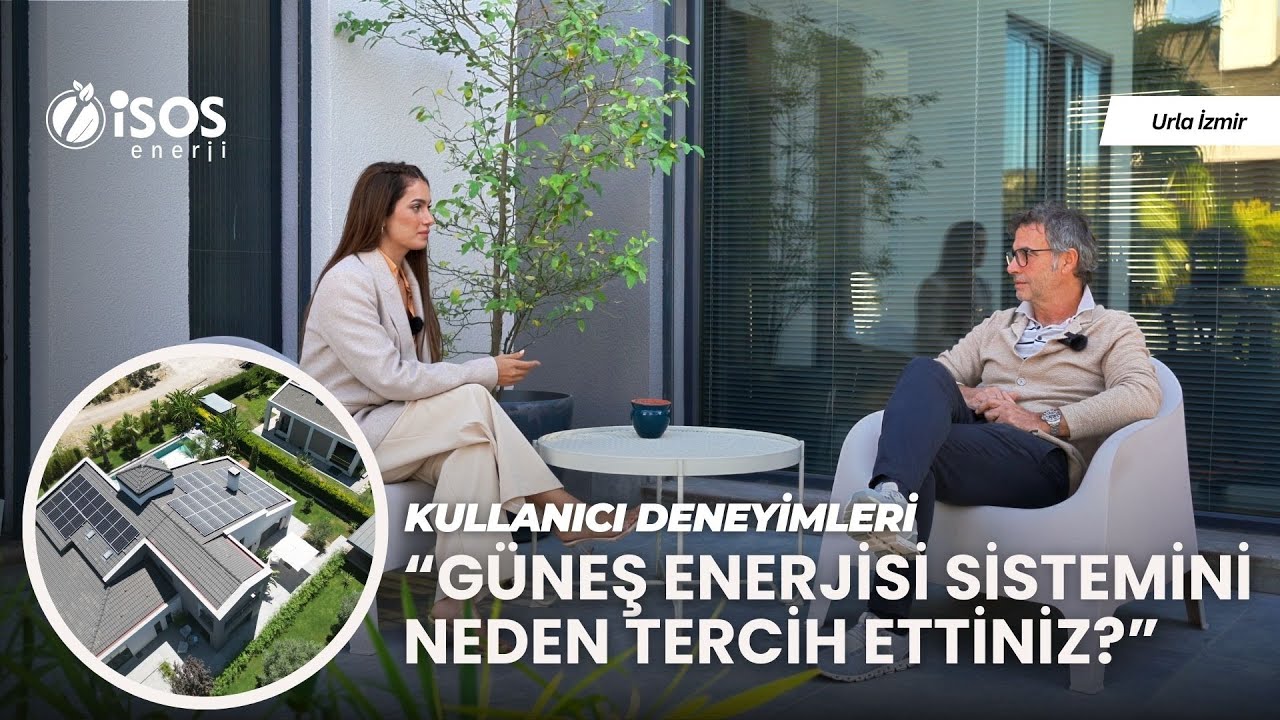
Hear from the valued customers who have had a solar panel system installed on their home

100% Customer
Satisfaction

Gökhan E.
İzmir, Urla - Hybrid System
A 10 kWp system wiped out the high bills we were paying on an average annual consumption of 9,000 kWh. We now sell our surplus generation back to the grid and earn extra income from it.

Şule B.
Muğla, Milas - On Grid
My spouse and I were looking at ways to cut our household running costs when we came across solar energy. One week after we decided, we were generating our own electricity at home.

Tarık Y.
Balıkesir, Ayvalık - Off Grid
I want to thank Mr. Emre and his excellent team for their meticulous work. They managed the whole process professionally. By the end of 2022 we had saved a full 53 thousand TL on our electricity costs. I recommend them to everyone
Ways to Use Solar Energy
Hybrid
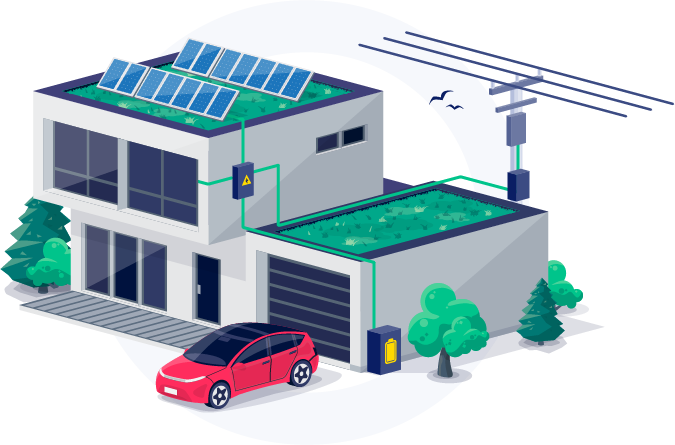
- Stores Energy — included
- Works During Outages — included
- Sells to the Grid — included
- Works Without Grid Power — included
Off Grid
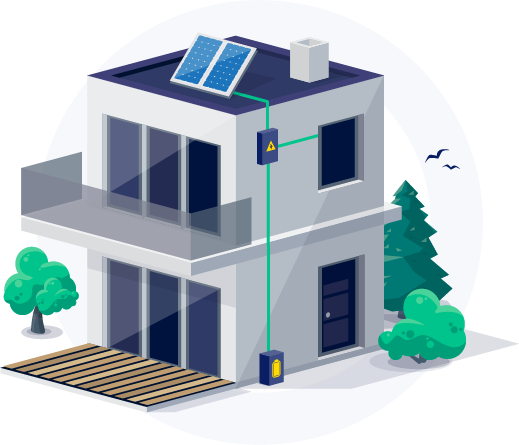
- Stores Energy — included
- Works During Outages — included
- Sells to the Grid — not included
- Works Without Grid Power — included
On Grid
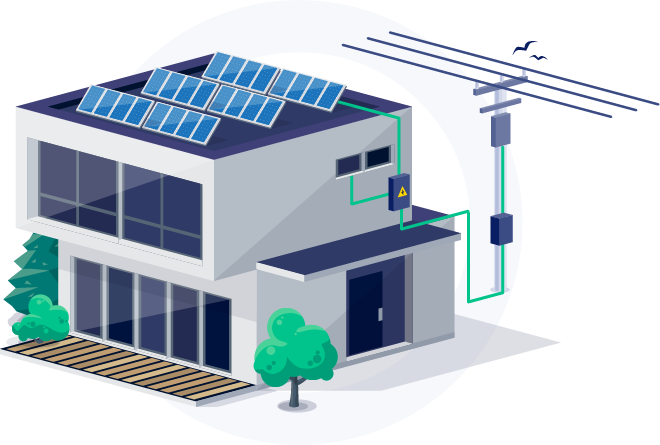
- Stores Energy — not included
- Works During Outages — not included
- Sells to the Grid — included
- Works Without Grid Power — not included
Self-Consumption
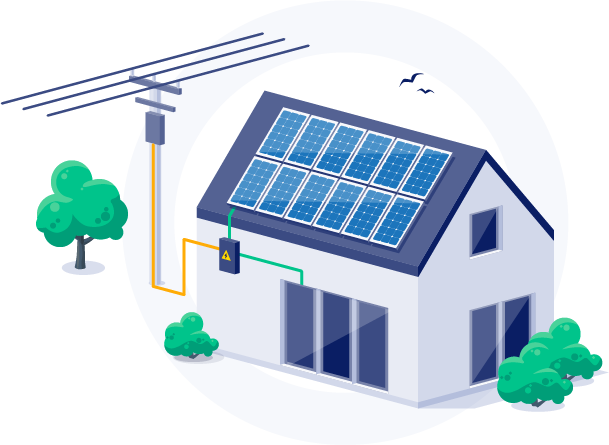
- Stores Energy — not included
- Works During Outages — not included
- Sells to the Grid — not included
- Works Without Grid Power — not included
Electricity Generation Across 4 Seasons
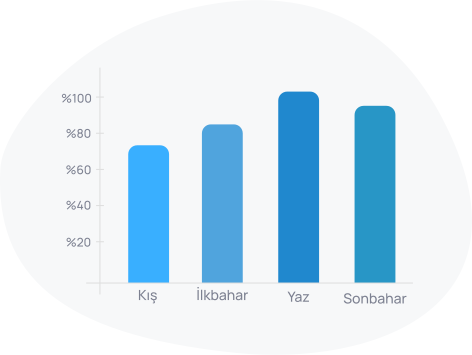
Solar energy systems can generate electricity in every seasonal condition and throughout daylight hours.
Investment Payback Period
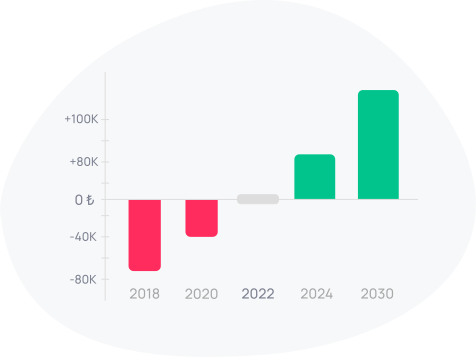
When you plan your energy consumption correctly and during daylight hours, the system's payback period is calculated at between 4 and 6 years.
About Solar Energy Systems
Frequently Asked Questions
What does a solar energy system consist of?
A system contains solar panels, an inverter, batteries, the solar distribution board, cabling, panel mounting rails, a meter and electrical panels.
How much do solar electricity systems cost?
Prices for solar energy package systems vary between 500.00 and 50,000.00 USD. As examples: 1,000.00-2,000.00 USD for small vineyard houses (tiny houses) with no electricity supply, 3,000.00 - 5,000.00 USD for detached houses with a garden, and 6,000.00-15,000.00 USD for large villa-style homes.
Can I install the system in my garden?
This can change with current laws and regulations, but for homes On-Grid systems can, unless stated otherwise, only be installed on the roof of a building that has a building permit. With systems such as Off-Grid and self-consumption, however, there can be scope to mount them in other areas.
I live in an apartment — can we install a system on our roof?
Solar energy systems installed on multi-unit buildings can be used to reduce the electricity costs of the shared areas (heating, elevator, lighting, pool and so on). Note: owners living in a duplex penthouse who can show on their title deed that the roof floor belongs to them may install a system for their own use, limited to the area of their own roof.
Can I sell the surplus energy I generate?
Yes. If the building you live in meets the necessary technical requirements and permit conditions, you can sell the electricity you generate to the grid.
Can I still draw power from the solar energy system when the grid goes down?
Yes, solar energy systems can generate and supply power when the grid is down, but the system needs a stable voltage in order to run. That voltage must come from the batteries (the battery bank).
Can I supply power using solar energy alone, completely isolated from the grid?
Yes, with a suitable solar energy system and an energy storage solution you can generate power independently of the grid. The industry calls these systems Off-Grid.
How should my solar energy system be maintained and monitored, and why does that process matter?
The system's performance and any warnings are followed 24/7 through mobile and desktop apps that vary with the inverter brand used in the system. Acting on that data — with regular panel cleaning, inverter checks and performance monitoring — keeps the system efficient and heads problems off.
What is the average payback period of the system?
The payback period of a solar energy system is generally between 2 and 10 years. It depends on factors such as the cost of the system, its efficiency, local energy prices, how much of the system the user actually draws on, and incentives. If you drive an electric vehicle, the payback period shortens considerably.
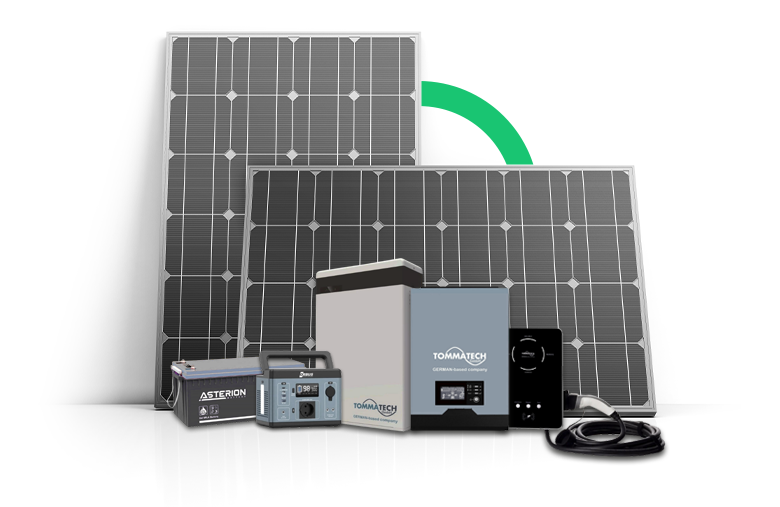
A Solar Energy System
What Does It Cost?
There are a few important points that are taken into account when the solar energy system for your detached house is designed. These are your monthly electricity consumption, the mountable area on the roof where the panels will go, and the direction the roof faces.
You can find out the price of the solar panel set that best suits your needs by taking free advice from our energy engineers.
Our Most Popular Systems
Antares
For homes with an average monthly electricity consumption of 500-600kWh
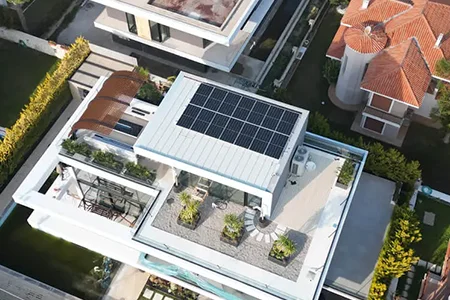
Panel
10 x 550W
Inverter
5kW
Battery
Not Included
Orion
For homes with an average monthly electricity consumption of 2200-2300kWh
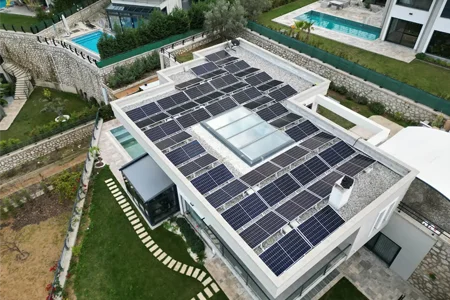
Panel
38 x 550W
Inverter
20kW
Battery
Not Included
How Does It Work?
The rays (photons) that reach us from the sun transfer the energy they carry to the electrons inside solar cells made of silicon.
Electrons moving inside solar panels, which are designed on the principle of the magnet, create voltage and so bring electrical energy into being.
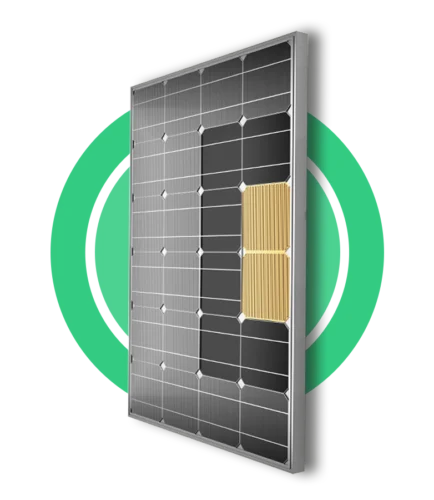

Generation
Solar panels with a high silicon content absorb energy in the form of light and turn it into electricity for use in our everyday lives.

Transmission
The electricity the panels generate is carried to the converter (inverter) by copper solar cables built to withstand harsh outdoor conditions. The converter is the playmaker of the system.

Conversion
The converter turns the direct current (DC) electricity generated by the panels into alternating current (AC) so it can be used by our appliances, and it is then distributed through the cabling.

Consumption
When the live consumption in your home exceeds what the panels generate and what the batteries hold, energy is drawn from the grid. When generation is higher, the surplus is stored in the batteries or can be sold to the grid.
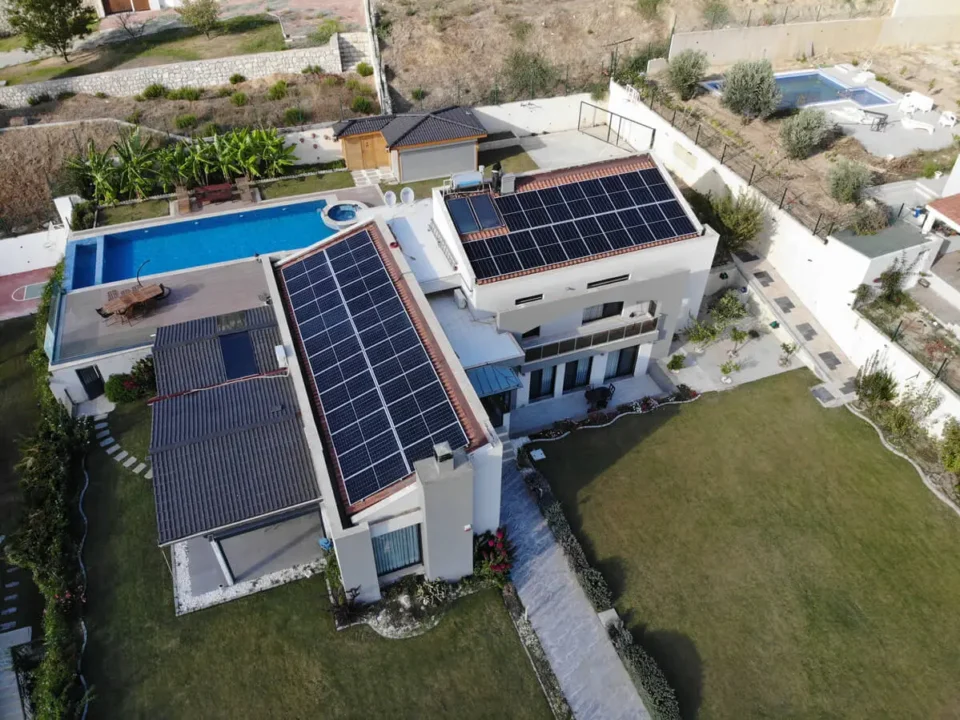
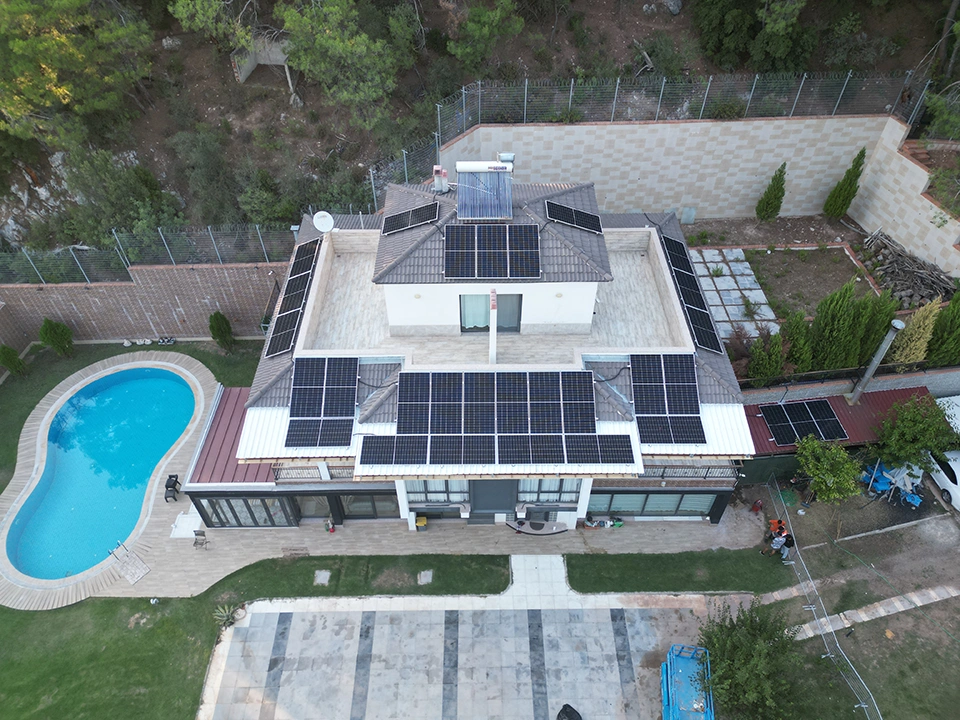
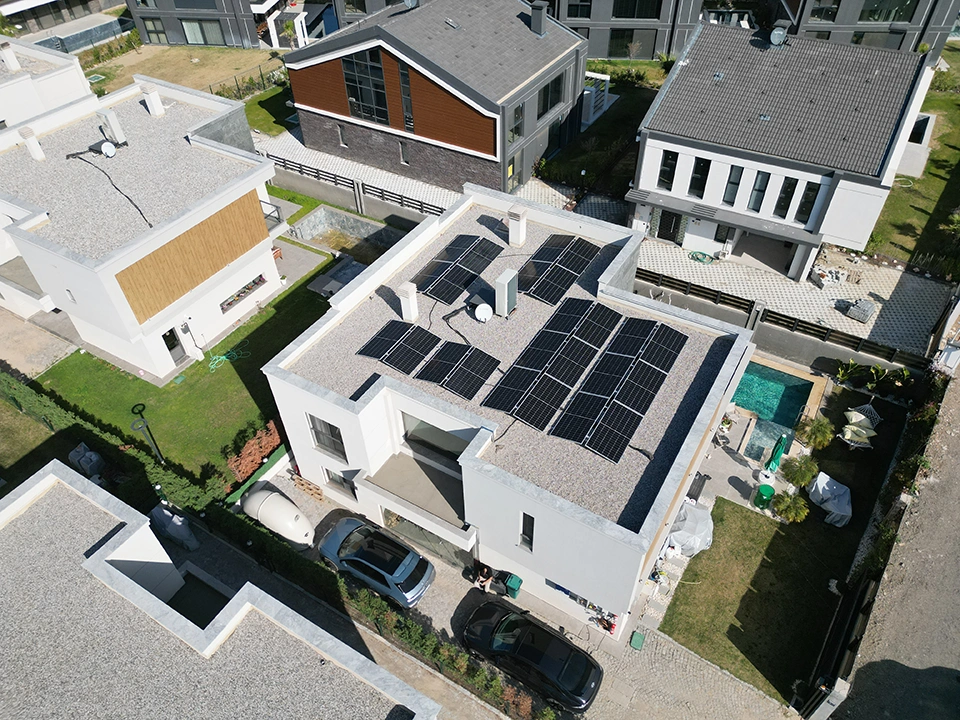
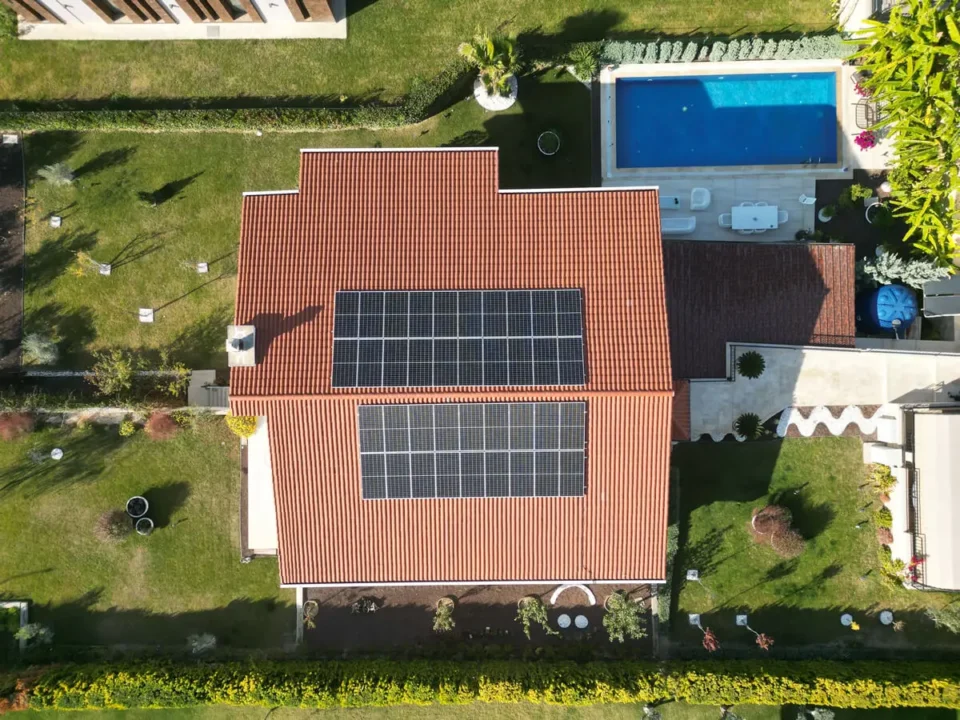
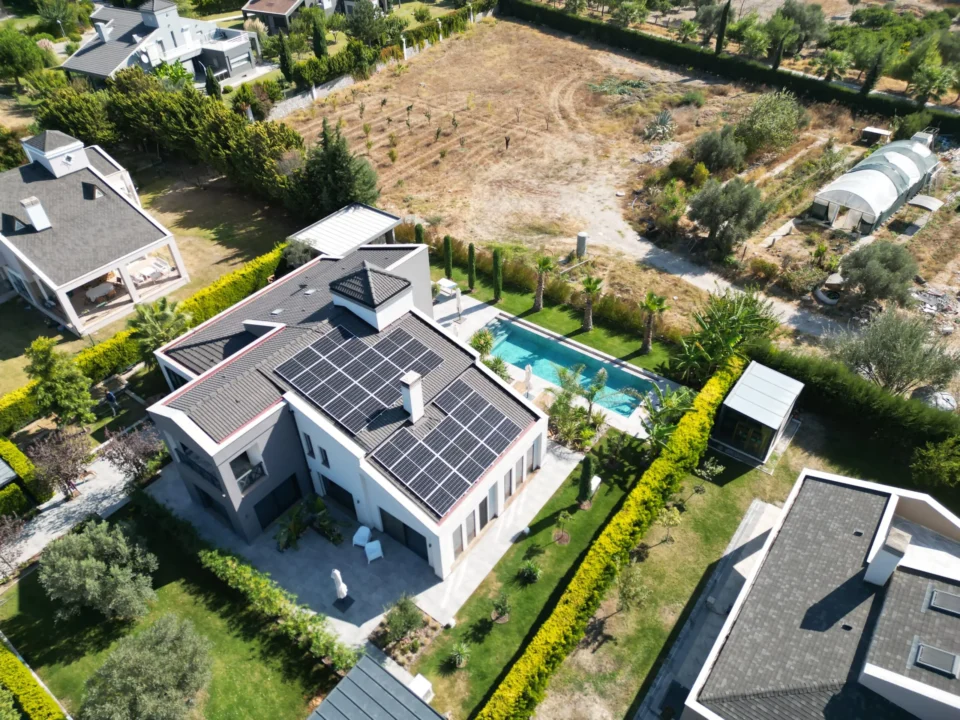
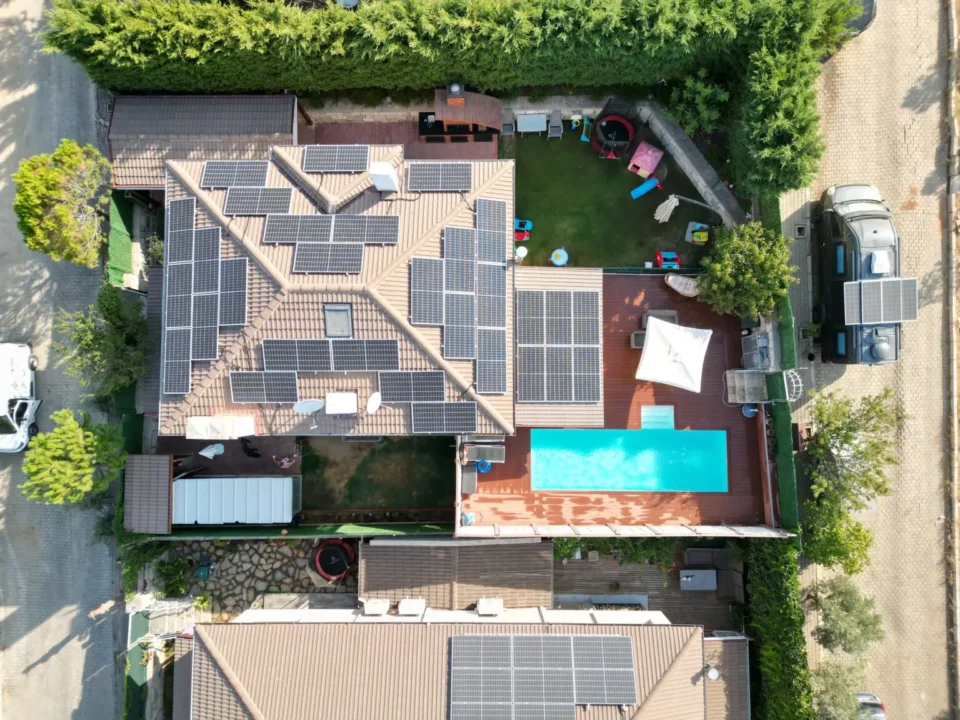
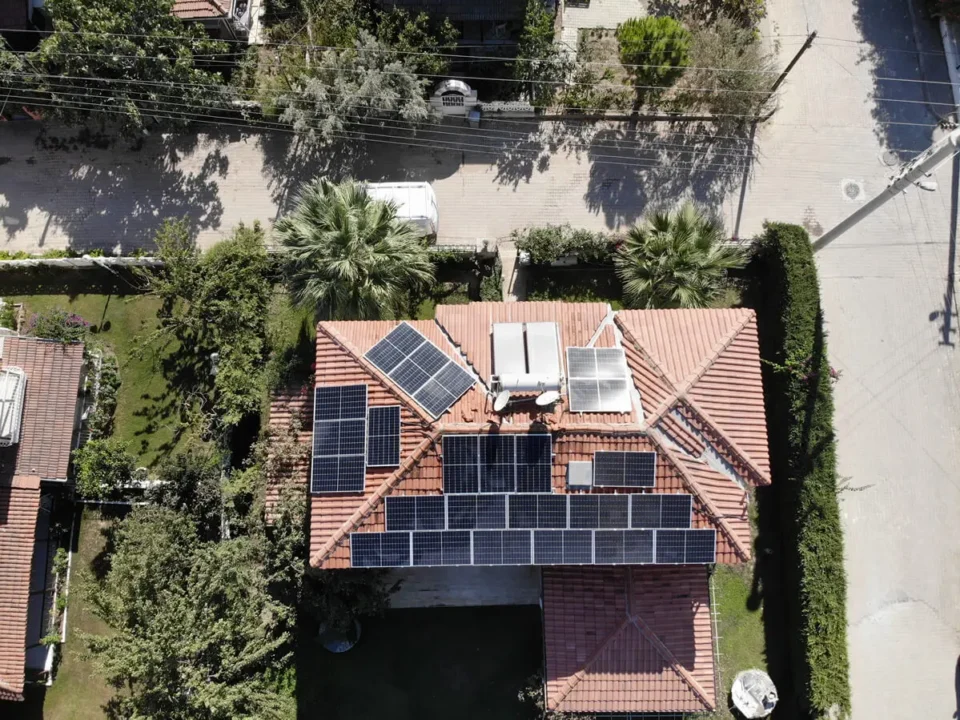
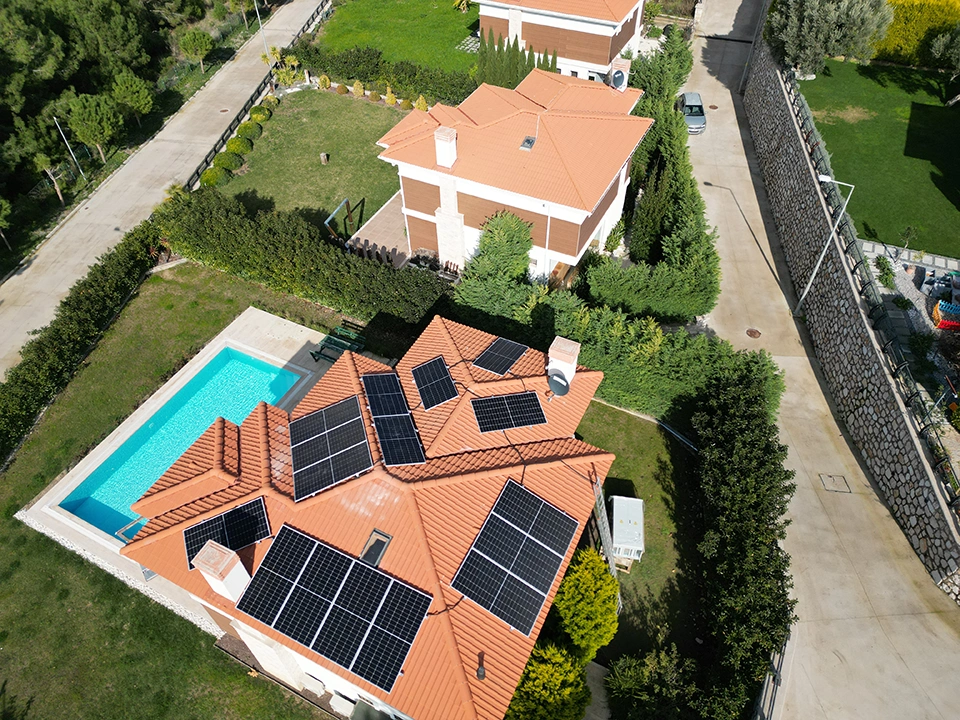
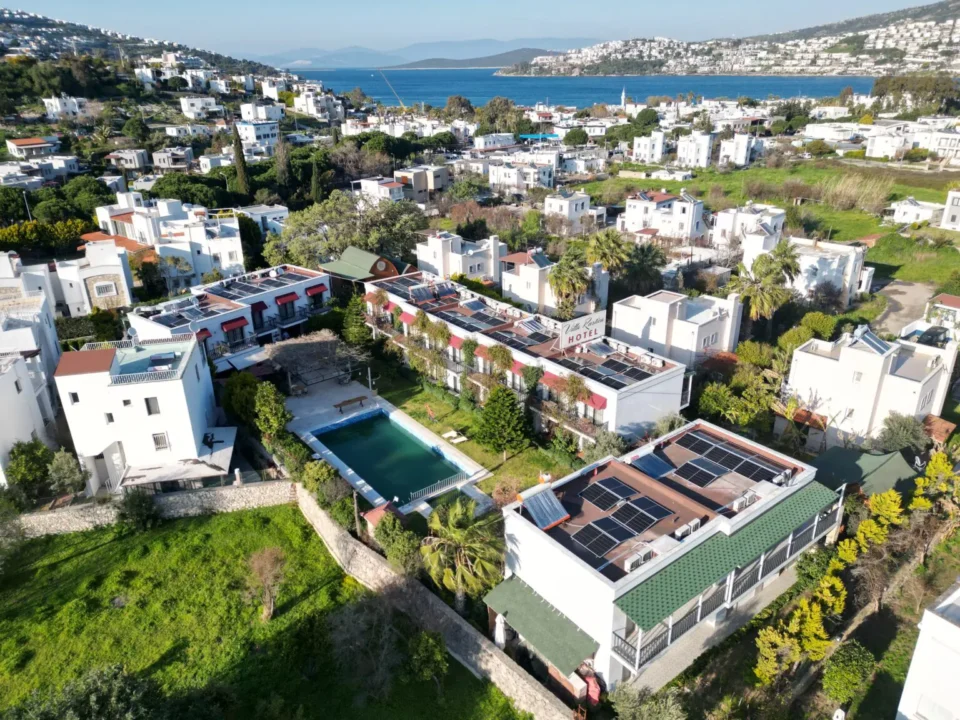
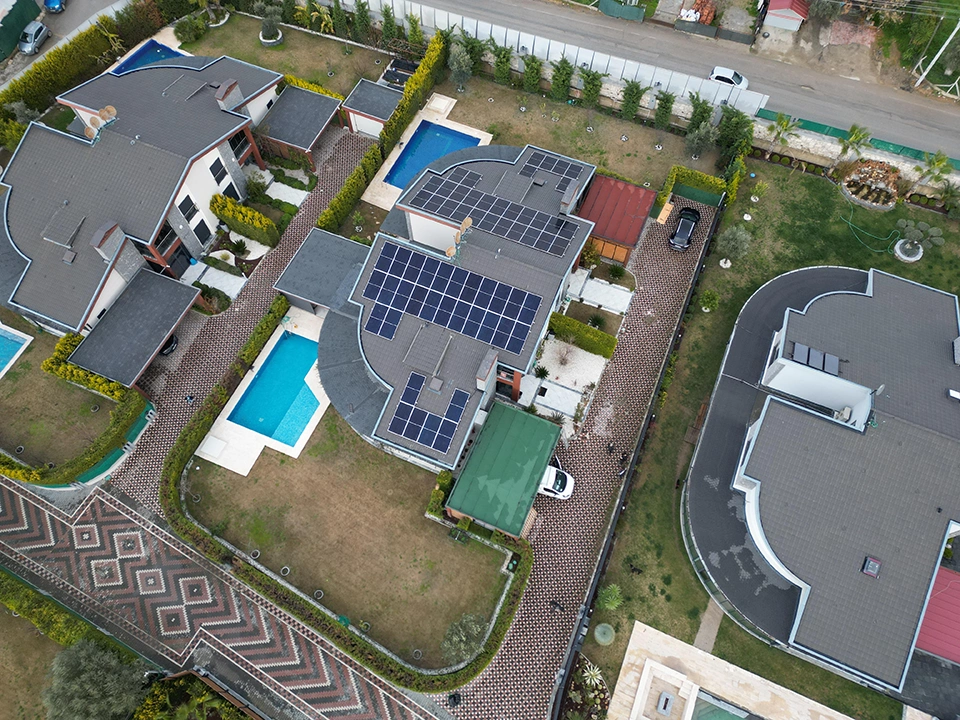
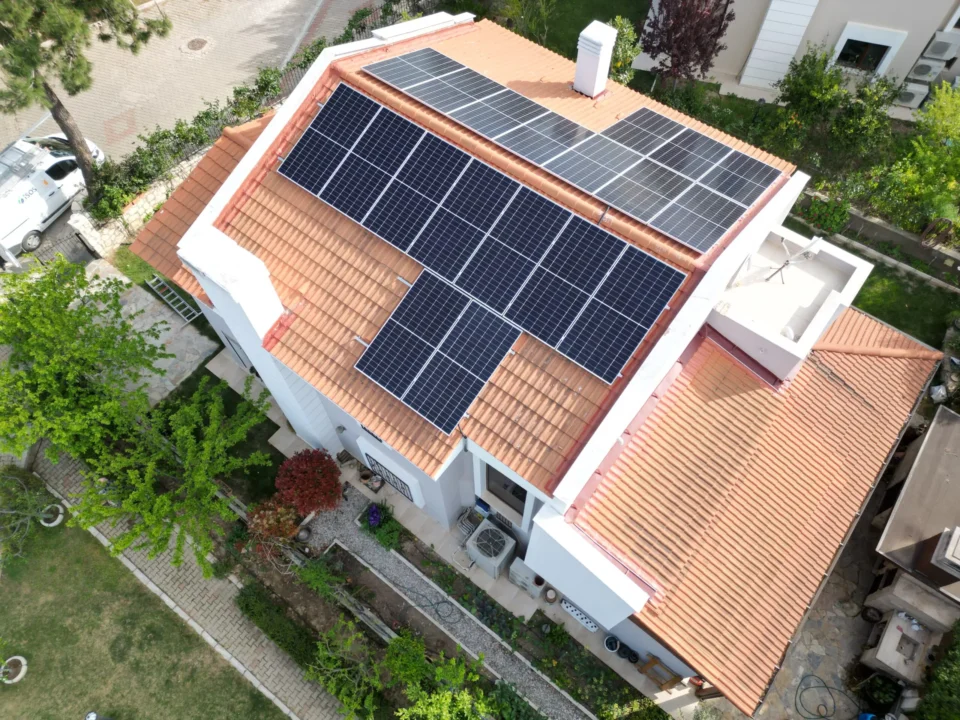
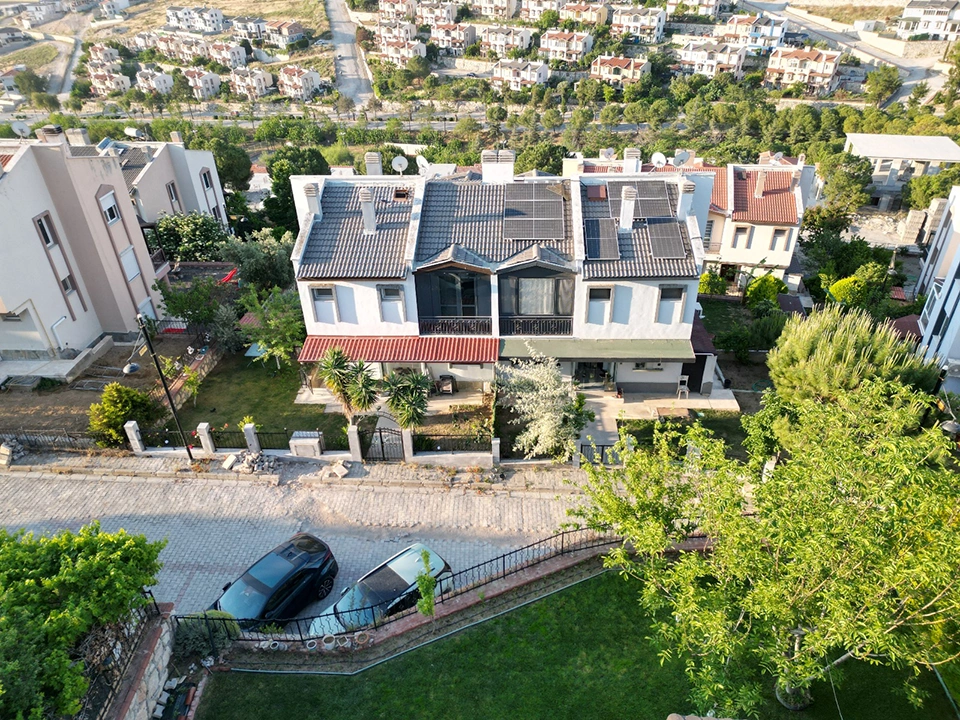
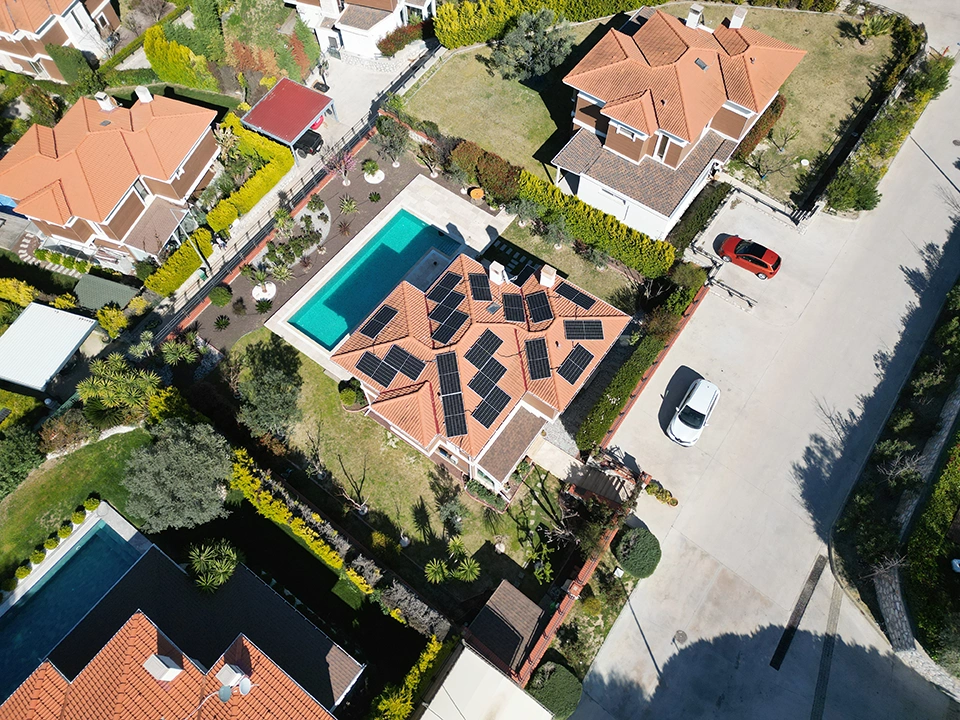
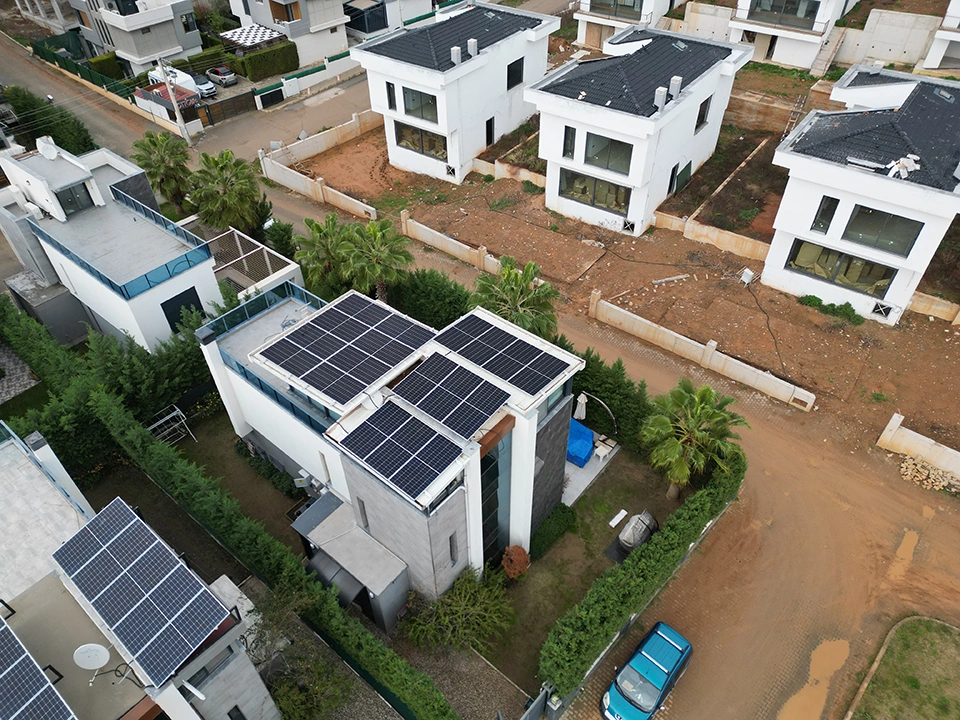
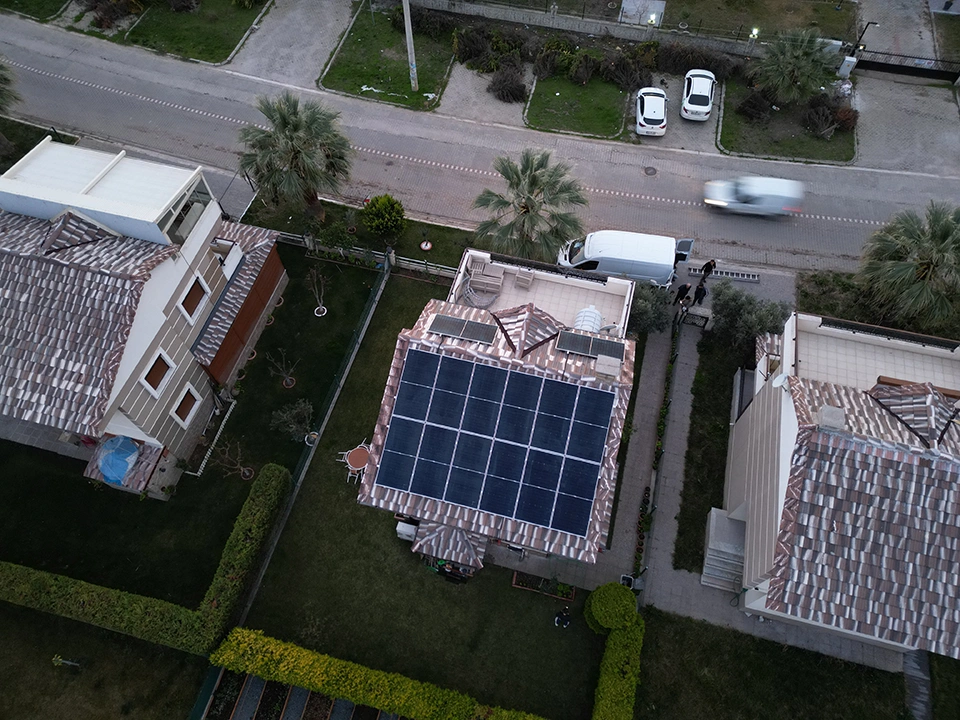
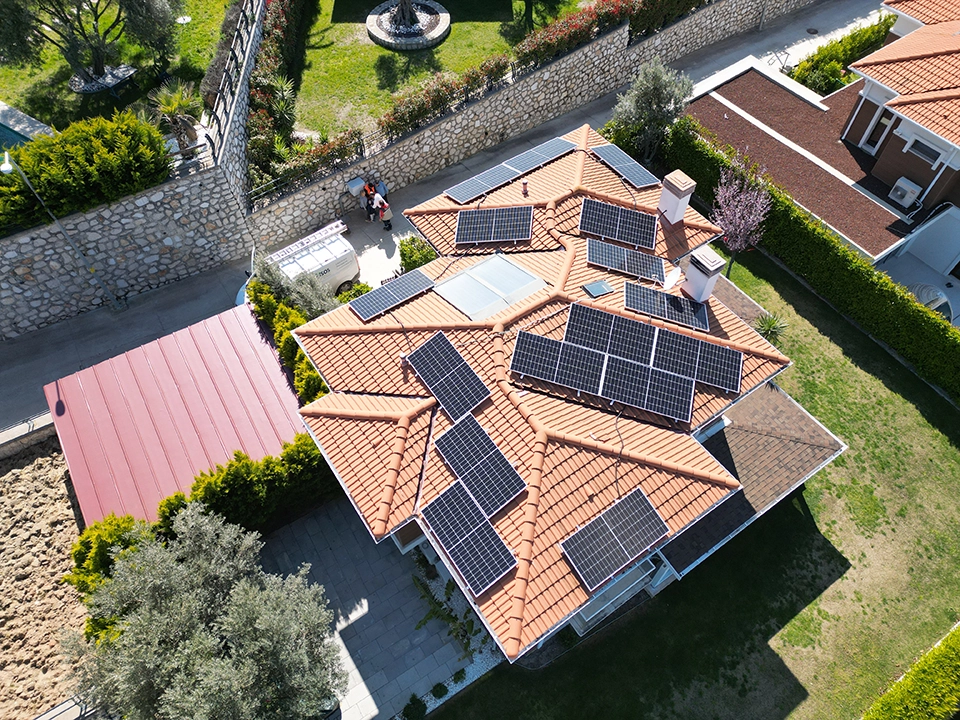
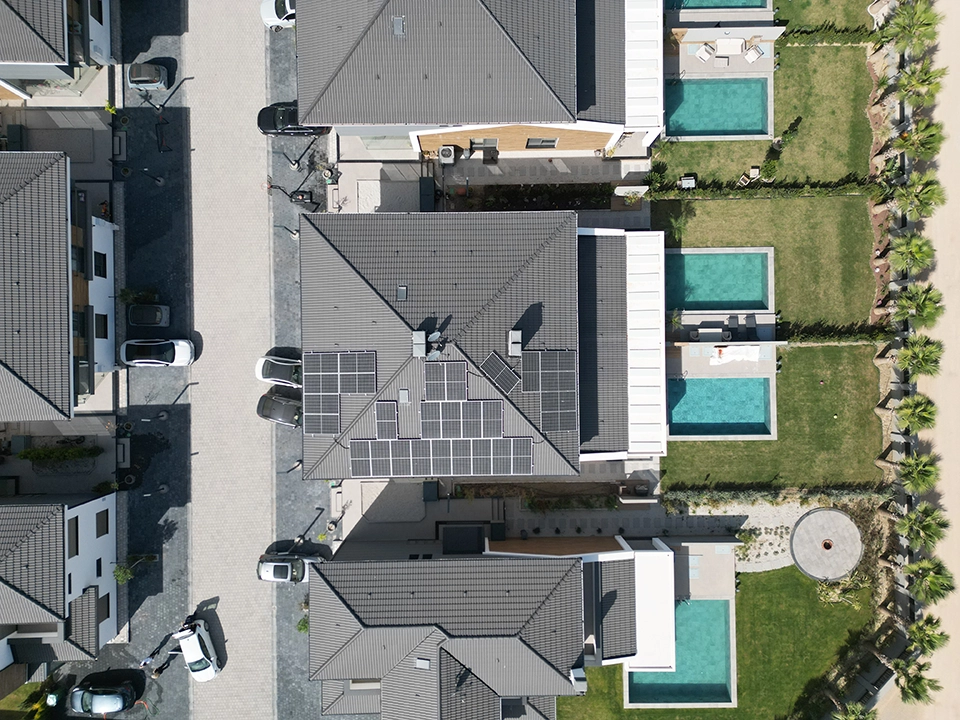
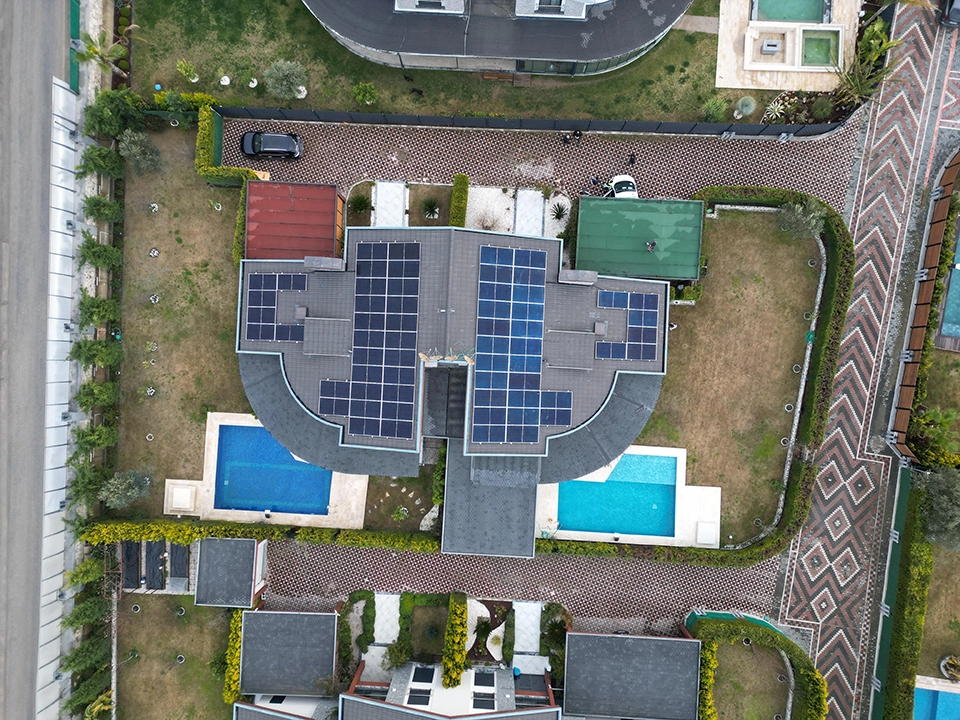
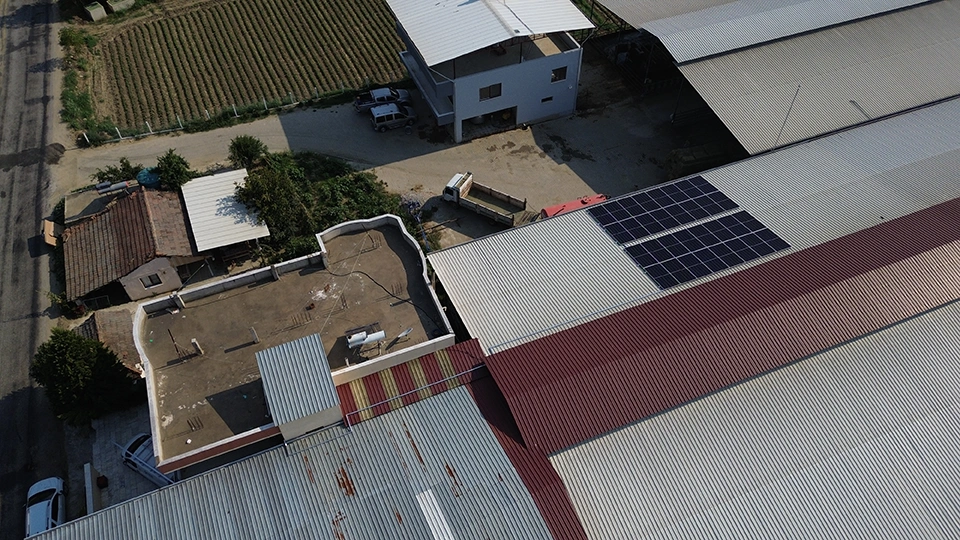
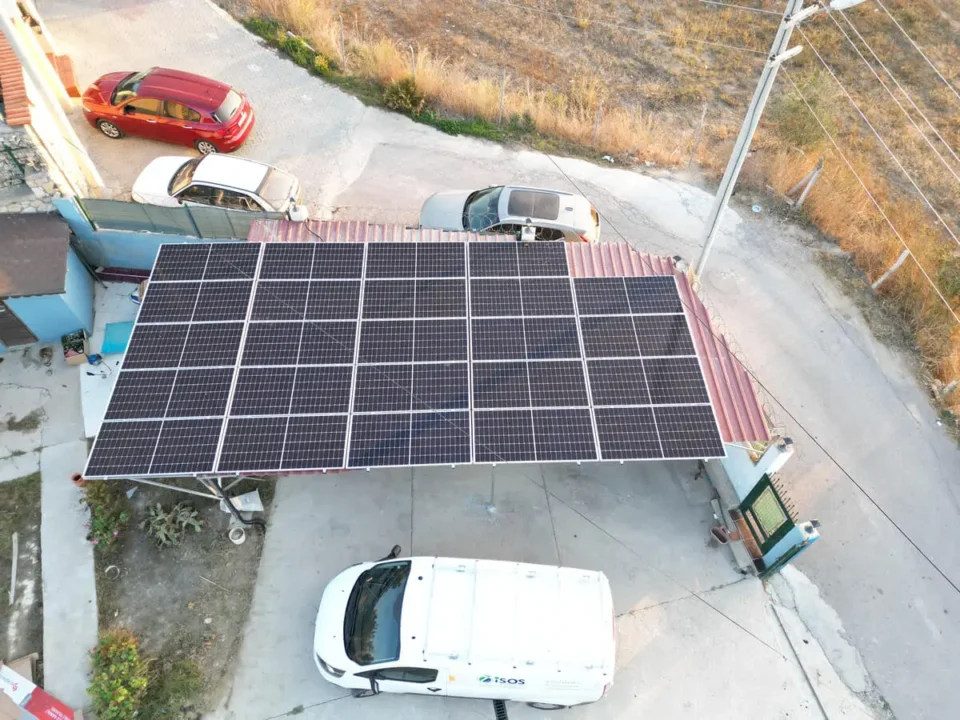
Projects We Have Completed
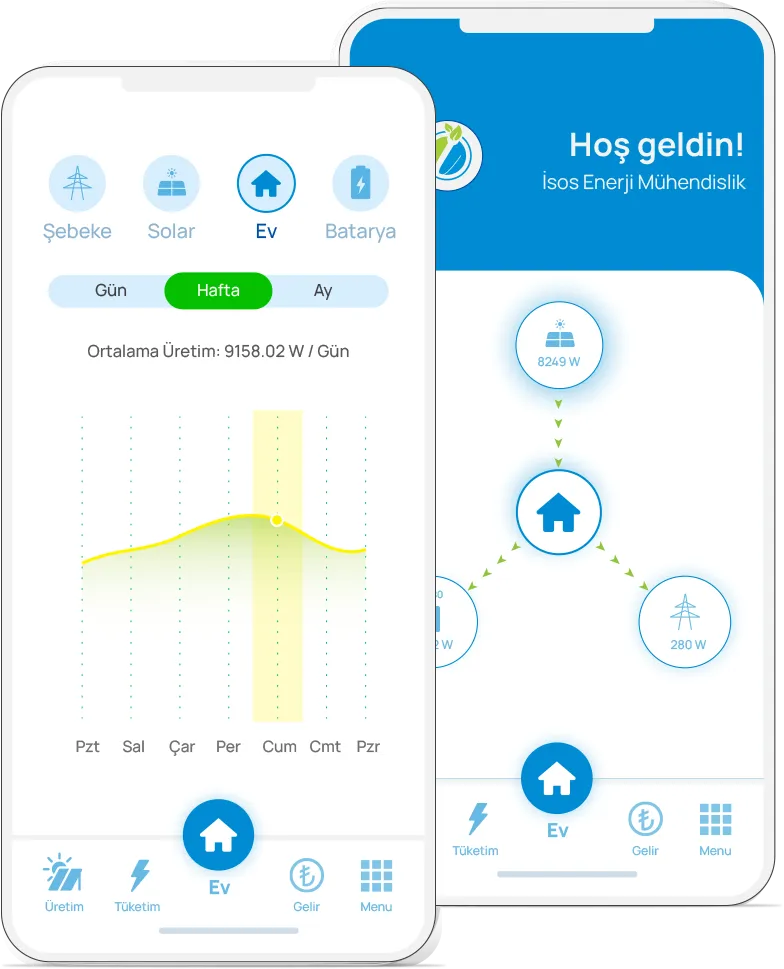
With the Mobile App
Every Control at Your Fingertips
- Real-time tracking of your generation and consumption
- Control your devices remotely
- Monitor the condition of your equipment
- Spot possible faults the moment they happen
Start
Saving
- Get a price quote and learn what the system costs
- Have the payback period on your investment calculated
- Receive a detailed equipment and materials list
- Get your annual savings and feasibility report
We will get in touch with you through the contact details you have shared, within 2-3 business days, to give you detailed information about the systems.